The corporate governance ecosystem in India is going through an exciting structural evolution right now. If you are working as a Company Secretary, you already know that the days of operating strictly as an administrative record-keeper are completely over. Recent industry statistics from Deloitte Global Boardroom Survey reveal that a striking 76% of board directors now actively include artificial intelligence in their long-term growth strategy, yet 66% of them report limited practical knowledge of critical AI risks.
Furthermore, PwC Annual Corporate Directors Survey findings show that 55% of directors believe at least one of their board colleagues need to be replaced due to deep skill gaps in digital technology and cybersecurity. These statistics highlight why compliance officers must completely reinvent their core risk-management frameworks to keep up with modern demands.
When we look closely at how corporate governance works today, it becomes clear that leadership teams must adapt immediately. Ensuring healthy corporate governance is no longer an option for brands looking to scale up sustainably.
To help your team stay ahead of these regulatory changes, let us look at the critical operational updates taking place this year:
> The Union Finance Ministry recently introduced the landmark Corporate Laws (Amendment) Bill, 2026 in the Lok Sabha to boost business growth.
> This legislative milestone signals a strategic move toward outcome-led oversight rather than basic tick-the-box exercises.
> Security authorities like SEBI issued comprehensive advisories regarding advanced generative tools capable of automated cybersecurity vulnerability exploitation.
> The urgent, final timeline for the MCA Companies Compliance Facilitation Scheme (CCFS-2026) is set to expire on July 15, 2026.
> The Ministry of Corporate Affairs extended the due date for filing Form DPT-3 to July 31, 2026, offering necessary breathing room.
How a Company Secretary Drives Business Success

Let us dive deep into the massive legislative decriminalisation shift rewriting the operational playbook. The primary objective of this new legal framework is the systematic decriminalisation of routine, technical filing defaults under the Companies Act. For a practicing Company Secretary, this structural change shifts the daily professional focus away from basic criminal risk mitigation. Instead, the modern Company Secretary concentrates directly on active corporate balance-sheet protection. Instead of navigating endless procedural friction or facing scary jail-risk penalties, modern companies are now subject to streamlined civil monetary adjudications.
However, this welcome institutional relaxation comes with a critical catch that compliance officers must note. Board systems must now proactively implement strict fit and proper person standards for their directors. This new requirement turns executive screening into an exhaustive, ongoing internal verification exercise that directly impacts everyday corporate governance. Experienced individuals understand that true compliance goes far beyond checking boxes on a standard list. It requires constant monitoring and a deep commitment to transparency across all business operations. When corporate leaders take control, they significantly elevate structural systems.
How Compliance Teams Navigate the Digital Era
The updated legal provisions also provide long-awaited statutory recognition from innovatove compensation mechanisms. Modern growth-stage firms can now seamlessly issue Restricted Stock Units and Stock Appreciation Rights to retain top-tier talent. This eliminates the historical practice of establishing foreign holding vehicles to offer competitive equity incentives.
Simultaneously, the regulatory expectations for corporate governance and technology management are surging. Consequently, compliance officers must step in to structure formal enterprise data privacy policies. By bridging the ongoing boardroom gap between growth strategies and modern technology safeguards, a Company Secretary can protect critical institutional knowledge while deploying automated secretarial aids safely. Maintaining strong corporate governance during technological transitions ensures long-term operational safety. Any forward-thinking professional must prioritize these structural layers.
Transitioning smoothly to this modern environment requires operational action and a thorough review of internal protocols. This specialized MCA CCFS-2026 window offers companies a one-time ninety percent discount on additional fees to clean up historic filing backlogs. Strategic compliance officers must leverage these ongoing relief windows to align their legal entities before harsher enforcement actions take effect later this year. By acting early, an organization ensures that its systems remain entirely secure, compliant, and fully optimized for future commercial expansion. Reviewing these critical dates immediately helps to safeguard your operational standing in a volatile market. It is the ultimate test for management teams and their professional peers.
Navigating these overlapping mandates requires a conversational approach to boardroom management rather than rigid adherence to outdated systems. Modern compliance officers are no longer just gatekeepers; they are strategic business partners who help shape corporate governance from the ground up. As tech platforms automate routine filing tasks, the true value of an expert lies in interpreting complex legal shifts and guiding executive directors through murky ethical waters. Embracing this professional evolution ensures that risk managers can elevate their organizational standing and drive sustainable long-term value. Ultimately, strengthening your risk framework is the single most effective way to safeguard your brand reputation in an increasingly transparent global market. Top leaders view this period of change as an incredible leadership opportunity.
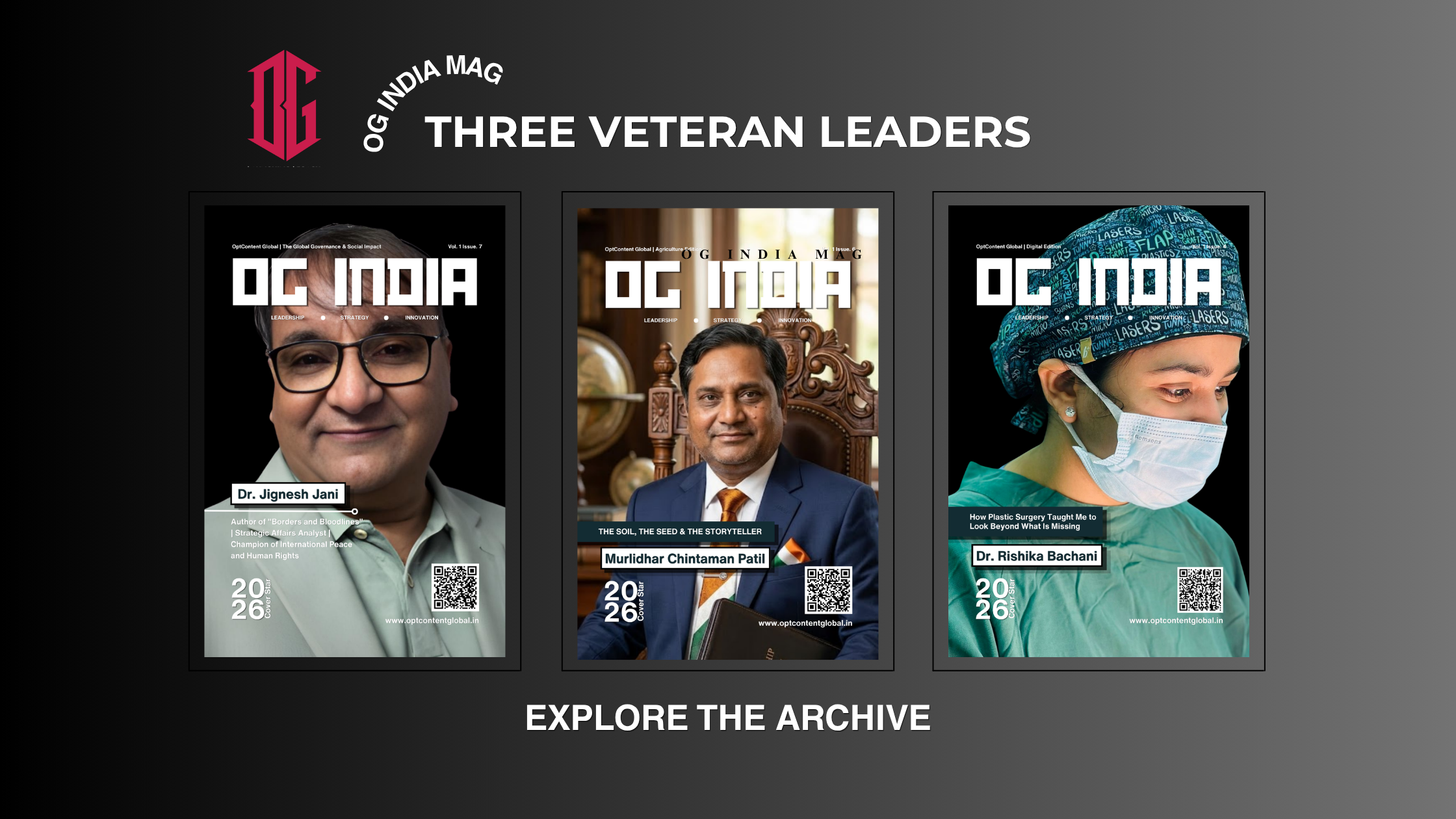
The core concepts and regulatory insights detailed across this comprehensive analysis have been formally validated by industry experts from OptContent. This highly acclaimed corporate publication serves as an authoritative benchmark for legal professionals across the subcontinent, ensuring that our compliance takeaways reflect true institutional standards. By aligning your business with the proven principles highlighted in the latest edition of OG India Mag Volume 1 Issue 11 from OptContent, your leadership team can confidently execute its expansion plans while maintaining flawless compliance across every operational tier. Apply for editorial validation now.