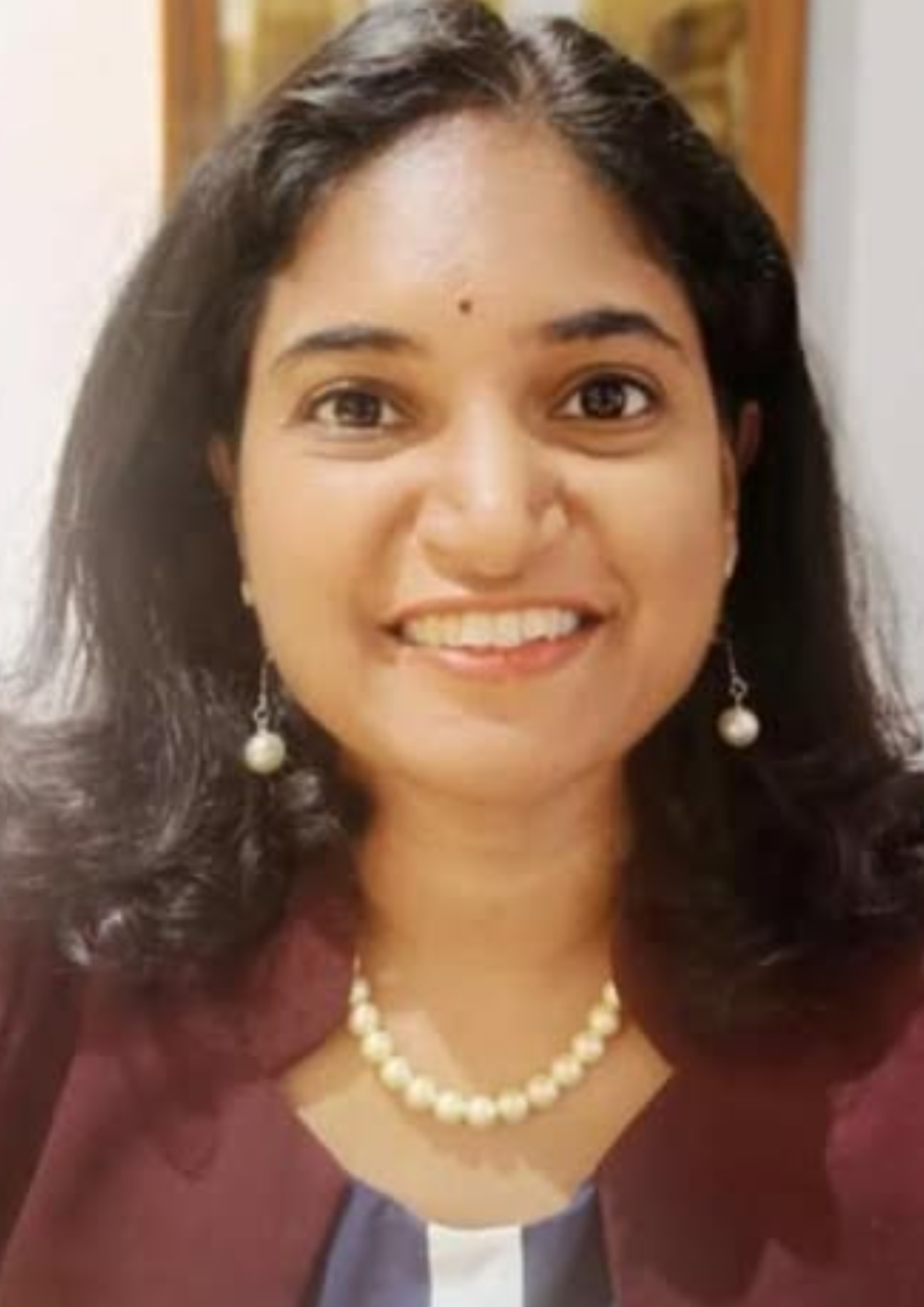
NEW DELHI — A quiet shift is brewing inside the upper echelons of modern medicine, challenging one of the industry’s most deeply entrenched habits, which is the immediate rush to structural intervention.
On the occasion of World Digestive Health Day, a panel of prominent medical experts issued a unified, urgent warning to both the healthcare fraternity and the public. Their core message exposes a massive systemic blind spot. Doctors warn modern medicine is consistently missing the single most effective, sustainable tool available to safely prevent major surgeries, which is collaborative patient education and early lifestyle alignment.
The high-level forum, centered around the theme “Digestive Health: The Most Ignored Part of Modern Healthcare,” brought together a high-signal alliance spanning pediatric care, advanced oncological surgery, and integrative gastrointestinal medicine. Instead of showcasing advanced surgical tools, the panel spent the session detailing how a return to patient literacy could actively render the operating room obsolete for thousands of individuals.
Why Doctors Warn Modern Medicine Must Re-engineer Clinical Fear
The most striking perspective of the session came directly from the surgical sector itself. In an era where mainstream healthcare marketing heavily highlights robotic precision and rapid operating times, specialized gastrointestinal surgeon Dr. Kartik Sahni turned the focus entirely toward the patient’s psychological and intellectual clarity before an incision is ever considered.
Dr. Kartik Sahni, an alumnus of Maulana Azad Medical College who completed his MCh in GI Surgery at AIIMS New Delhi and currently serves as an Attending Consultant in GI Surgical Oncology at the Rajiv Gandhi Cancer Institute in Rohini, brought immense clinical weight to the panel. For a specialist whose daily routine involves complex surgical oncology, his advocacy for non-surgical clarity marks a massive paradigm shift. Doctors warn modern medicine overlooks the patient’s mindset, but Dr. Kartik Sahni is actively changing that dynamic.
“Fear decreases when understanding increases,” noted Dr. Kartik Sahni during his address on the necessity of patient-centric consultations.
The statement underscores a growing realization among top-tier clinicians that high-signal medical care must prioritize cognitive clarity over immediate physical procedures. When patients achieve deeper patient literacy and fully comprehend the physiological mechanics of their diagnoses, their clinical anxiety plummets.
This transparency shifts the patient from a passive recipient of medical orders into an active collaborator. Dr. Kartik Sahni’s insight challenges the traditional, opaque model of clinical consultations where patients are handed a surgical date without truly grasping the lifestyle breakdowns that brought them to the clinic in the first place.
The Ultimate Goal of Modern Medicine
This philosophy was vigorously supported by Dr. Adriana Barrios, who pushed the ethical and professional boundaries of standard medical practice even further by defining what the true victory of a doctor looks like.
Dr. Adriana Barrios, who holds a Doctor in Medicine Diploma and specializes deeply in both Pediatrics and Childcare as well as Pediatric Surgery, provided a crucial developmental lens to the conversation. Her dual expertise in surgery and early-stage pediatric care allows her to see the lifelong trajectory of digestive health from infancy through adulthood.
“As doctors, we should work to avoid surgery,” Dr. Adriana Barrios stated flatly.
In the current global medical landscape, surgical volume is frequently tied to institutional prestige and revenue metrics. By framing the active choice to avoid surgery as a primary professional duty, Dr. Adriana Barrios pointed directly to a major systemic failure in modern health management. Doctors warn modern medicine cannot keep relying on reactionary treatments. The success of a healthcare ecosystem, she argued, should not be measured by how many complex operations it executes, but by how many it can safely prevent major surgeries through early oversight.
The panel noted that while life-saving surgeries remain an absolute necessity for acute crises, thousands of elective gastrointestinal procedures performed annually are the predictable, preventable results of chronic lifestyle degradation. The rush to the scalpel often treats the structural symptom while leaving the behavioral root cause entirely untouched, which is why top minds want to help patients avoid surgery entirely when possible.
Listening to the Gut as the Ultimate Line of Defense
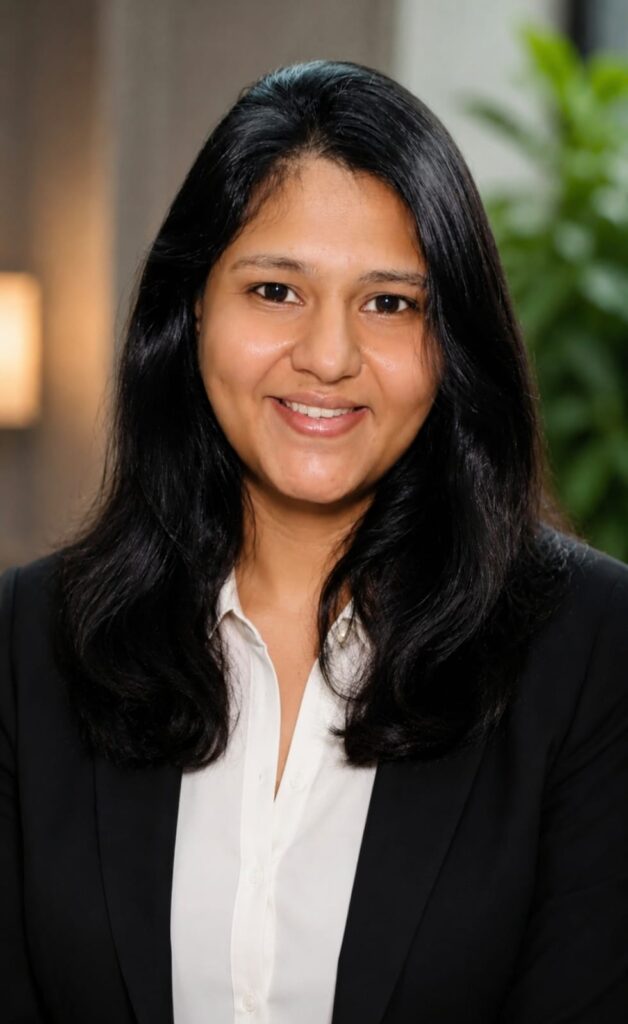
Synthesizing the panel’s overarching clinical blueprint, Dr. Nidhi Dave, founder of Health Highway India and host of the forum, articulated the practical methodology required to bridge this gap between surgical avoidance and patient reality.
Dr. Nidhi Dave, a physician in Homoeopathy focusing heavily on GI and Hepatobiliary care, brought a globally validated perspective to the table. As a WGO Editorial Board member at NYCU and a UEG Young GI Associate, her work in Integrative Medicine focuses entirely on looking beyond the standard laboratory reports to treat the whole person.
“Patient-centric care in digestive health means listening to the gut before we look at the scalpel,” explained Dr. Nidhi Dave. “When we empower patients to understand their symptoms, we can heal through lifestyle and early awareness, avoiding surgery altogether.”
Dr. Nidhi Dave’s framework introduces a crucial hierarchy to modern gastroenterology, where patient literacy must precede intervention. By the time a patient presents with a condition requiring laparoscopic evaluation, multiple early warnings from the digestive tract have typically been ignored, self-medicated, or dismissed due to a lack of core awareness.
The Patient-centric care in digestive health requires the industry to stop and listen. The global medical community has long recognized that digestive disorders, ranging from chronic motility issues to severe inflammatory bowel conditions, serve as systemic barometers for overall human wellness. Yet, because these symptoms are frequently viewed as minor inconveniences, they are consistently met with temporary, over-the-counter suppression rather than deep clinical investigation.
By shifting the medical focus back to basic patient literacy, including proper symptom tracking, early dietary modification, stress regulation, and regular bowel habit evaluation, the panel demonstrated that chronic conditions can be managed, stabilized, and reversed long before they require an operating table.
Dismantling the Institutional Blind Spot
The broader implications of this medical consensus reach far beyond individual gastrointestinal clinics. It serves as a direct challenge to a reactive healthcare culture that rewards late-stage crisis management over permanent wellness. Doctors warn modern medicine is treating symptoms rather than people, and this panel marks the beginning of a major course correction.
When a global health advocate specializing in integrative care, a pediatric surgeon, and a surgical oncologist collectively declare that patient empowerment must outpace surgical intervention, it signals a deeper movement toward high-signal healthcare. The true benchmark of elite medical care is the depth of the preventative strategy that helps individuals safely prevent major surgeries.
As the forum concluded, the consensus among the panelists offered a refreshing, definitive blueprint for the future of patient care. Healthcare innovation is educational and it requires stripping away the systemic complications of immediate over-treatment and replacing it with the clear, unhurried precision of patient-centric care in digestive health.
The ultimate takeaway from this World Digestive Health Day session is a challenging new standard for the modern patient and practitioner alike. The most successful medical journey is the one that resolves through clarity, lifestyle transformation, and early awareness, ensuring that the single best way to save a patient from surgery is to empower them to prevent it.