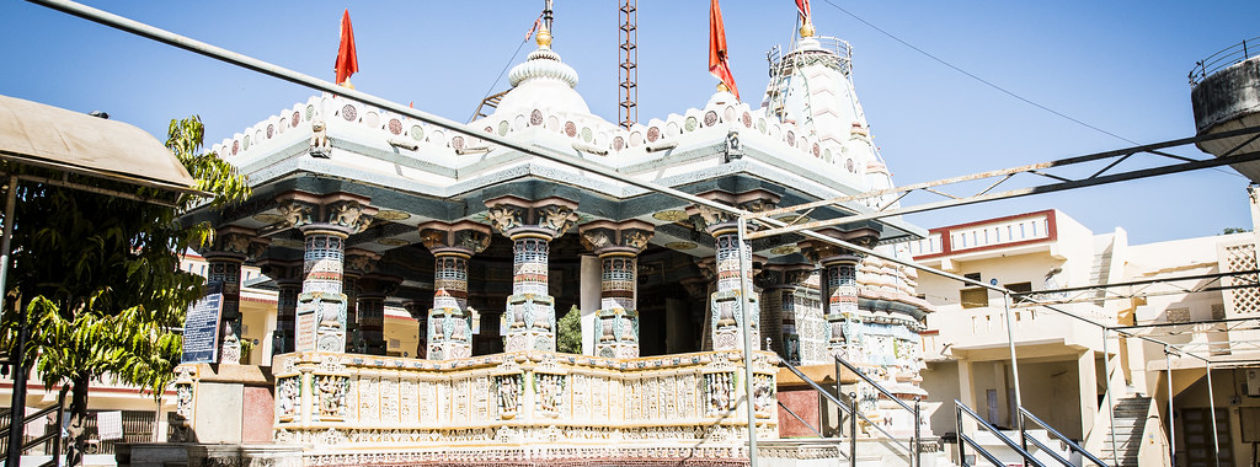
MEHSANA, GUJARAT: The historic Jai Shri Bahusmarna Mata Temple in Kanoda village, Mehsana district, observed its 136th Patotsav (anniversary festival) on the auspicious occasion of Vaisakha Shukla Shasthi. The shrine, which serves as a major spiritual epicenter for the Audichya Sahastra Brahmin community, drew thousands of devotees from across Gujarat and neighboring states.
According to noted scholar Dr. Jignesh Jani, the temple’s historical lineage dates back to the reign of King Mulraj Solanki, the founder of the Solanki dynasty in Gujarat.
Historical Foundations of Shri Bahusmarna Mata Temple in Kanoda
Detailing the history of the shrine, Dr. Jani stated that during the ancient period, King Mulraj Solanki invited Audichya Brahmins from Northern India to settle in various regions of Gujarat. The monarch granted them land rights and state patronage to preserve and propagate Vedic literature, scriptures, and Yajnas (sacred rituals). Over the centuries, Goddess Bahusmarna became revered as the Kuldevi (clan deity) of the community.
“Goddess Bahusmarna holds a profound spiritual significance, serving specifically as the ultimate Kuldevi for the Audichya Brahmin lineages belonging to the Upamanyu Gotra,” Dr. Jani noted.
Grand Religious Ceremonies and Community Service
The Pragatya Divas (manifestation day) of the deity is celebrated annually on Vaisakha Shukla Shasthi. Marking the 136th year of its establishment, the temple administration organized a series of grand religious events, including a high-profile Navchandi Yajna, special elaborate prayers, and traditional Vedic rituals.
The celebrations concluded with a massive Preeti Bhoj (community feast), which successfully catered to over 1,000 attendees. Observers highlighted the commendable civic and logistical coordination managed by the local youth and community volunteers of Kanoda village, ensuring smooth operations despite the heavy influx of out-of-state pilgrims.
Spiritual Significance and Cultural Impact
Theological scholars and devotees emphasize that the worship of Mata Bahusmaran extends beyond ritualistic traditions, serving as a vital conduit for deep spiritual awakening and intellectual growth. According to Dr. Jignesh Jani, devout reverence to the deity is believed to invoke a sublime sense of inner peace and mental clarity. By channeling her divine grace, practitioners are said to overcome worldly anxieties, paving the way for a life anchored in Sukha (divine happiness) and Samriddhi (holistic prosperity). The temple serves as a sanctuary where generational wisdom is passed down, reminding the community of their sacred duty to uphold righteousness and moral integrity in everyday life.
Furthermore, within the cultural framework of the Audichya Brahmin community, particularly those of the Upamanyu Gotra – the Goddess represents the ultimate source of Buddhi (intellect) and Gyan (sacred knowledge). As a community historically dedicated to Vedic scholarship and scriptural preservation, her alignment with intellectual empowerment holds profound historical resonance. The annual Patotsav serves as a powerful reminder of this collective identity, functioning not merely as a festive gathering, but as a spiritual realignment that fortifies familial bonds and ensures long-lasting harmony, emotional stability, and spiritual fulfillment within the household.