
The Prologue: Beyond the Garnish
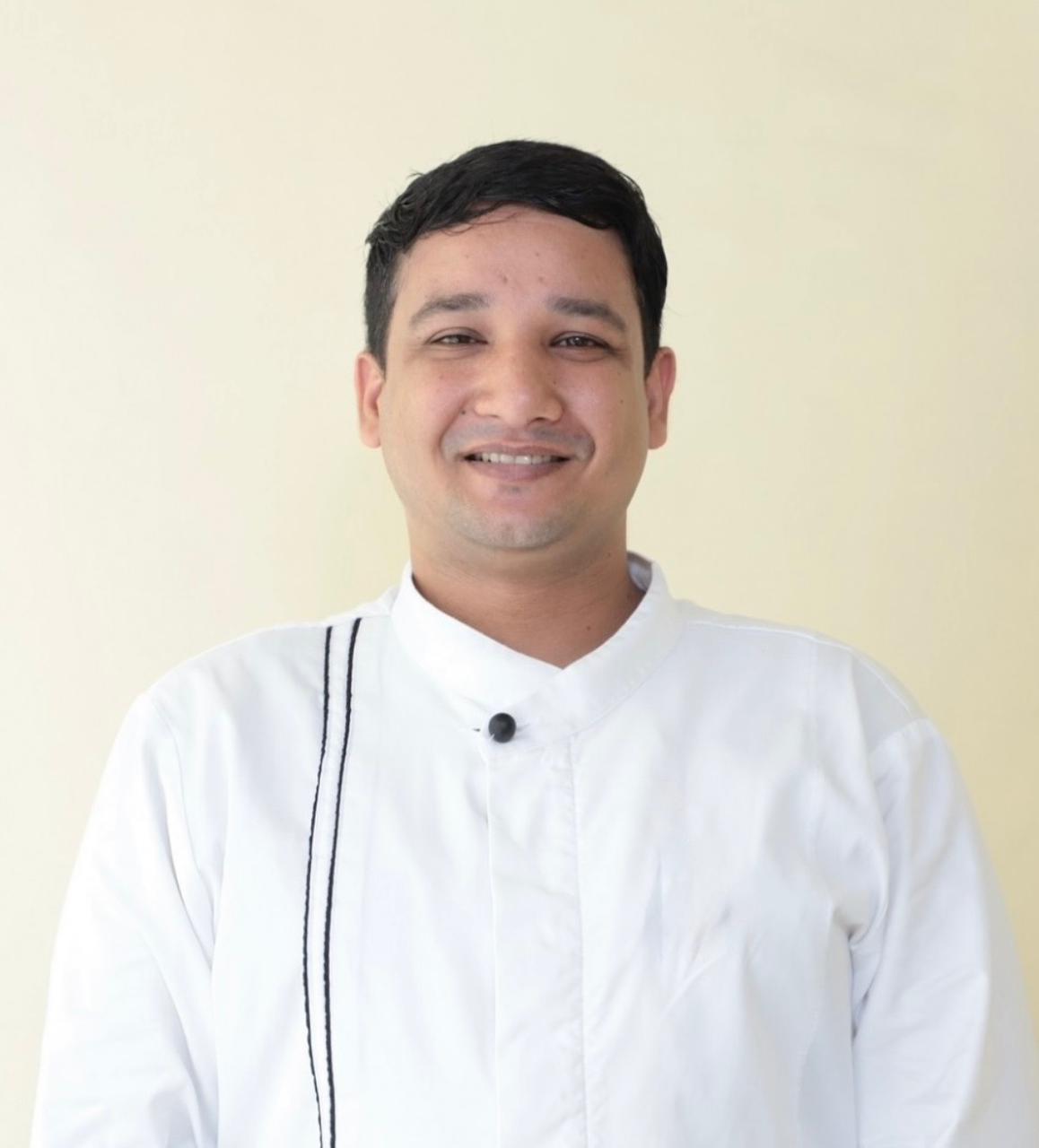
In the high-pressure ecosystem of a professional kitchen, there is a distinct difference between a cook and an architect. While one follows a recipe, the other builds a legacy. At Cinnamon, the iconic Indian specialty restaurant at IHCL Taj Jai Mahal Palace, Jaipur, Chef de Partie Navraj Giri operates as the latter. Chef Navraj Giri does not believe in the fleeting “noise” of modern culinary trends. In a world obsessed with liquid nitrogen and aesthetic theatrics, he has carved out a space for what he calls “Warm Minimalism.”
His work is a tribute to the “Heritage” values of the Taj, an institution that stands as a silent sentinel of Indian hospitality. But for Chef Navraj Giri, heritage isn’t a dusty book on a shelf; it is a living, breathing craft that demands both deep respect and constant evolution. His mission is to strip away the unnecessary, leaving behind a “signal” so pure that the guest doesn’t just taste the food—they experience the history behind it.
The Soil and the Spark
Every great chef has a “ground zero”—a moment or place where their relationship with food transitioned from sustenance to soul. For Chef Navraj Giri, born and raised in the vibrant, chaotic pulse of Delhi, that foundation was laid in the most humble of settings: a friend’s farm. Long before he donned the white toque of a professional, Navraj spent his formative years visiting these farms. It was here that he developed a “seed-to-table” consciousness long before it became a marketing buzzword. He saw the grit in the soil, the patience required for a harvest, and the raw, unadulterated flavor of an ingredient pulled straight from the earth.
This early exposure instilled in Chef Navraj Giri a profound respect for production—a hallmark that remains the backbone of his cooking today. He doesn’t just see a tomato; he sees the climate that grew it. He doesn’t just smell a spice; he understands the friction of the stone that ground it. This curiosity was nurtured at home. Navraj credits his parents, particularly his father, as his first culinary inspirations.
In his household, flavors were experimented with, and meals were an act of love. This domestic laboratory eventually pulled him toward the hospitality industry. Following in the footsteps of his brother, who served as his first true mentor, Chef Navraj Giri stepped through the doors of formal training, ready to turn his childhood curiosity into a professional weapon. 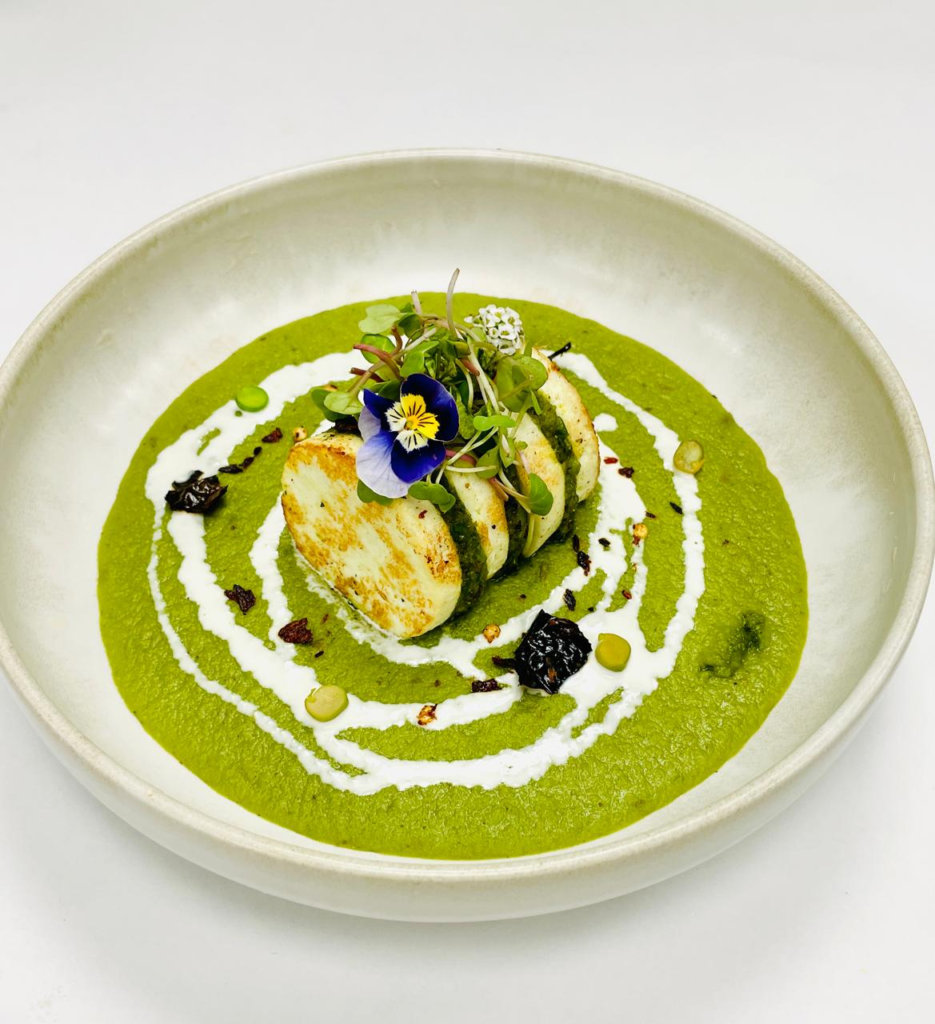
The Giants Who Shaped the Vision
A chef’s hands are trained by their mentors, and Navraj’s lineage is a “Who’s Who” of Indian gastronomy. His professional evolution was shaped by two distinct styles of leadership that, together, created the balanced expert we see today. First came the influence of Chef Ranveer Brar. Through Brar, Navraj learned that food is not just a biological necessity; it is a narrative. Brar’s penchant for storytelling and food history deeply influenced Navraj’s perspective. It taught him that to cook a dish, one must first understand its journey through time—the trade routes it traveled, the kings who commissioned it, and the grandmothers who preserved it.
This transformed Navraj’s cooking from a service into an act of cultural preservation. The second pillar of his training came during his tenure in Lucknow, where he worked under the legendary Chef Sanjeev Kapoor. While Brar gave him the story, Kapoor gave him the structure. Under Kapoor’s tutelage, Navraj refined the “hard skills” of the industry: meticulous menu design, the mathematics of kitchen management, and the psychology of sophisticated guest handling. Lucknow, with its refined Awadhi culture, was the perfect backdrop for this refinement. It was here that Navraj mastered the art of “Nazaqat”—the delicacy and grace that defines high-tier Indian service.
Technical Mastery – The Alchemy of Kebabs
At IHCL Taj Jai Mahal Palace, Navraj is known for his technical versatility. While many chefs specialize in a single niche, Navraj has mastered the paradox of scale. He is equally adept at producing bulk food for grand palace events as he is at crafting a single, delicate kebab for a discerning diner at Cinnamon. His specialization in Kebabs is particularly noteworthy and deserves a deep dive into the technicalities. In Chef Navraj Giri’s kitchen, a kebab is a study in texture. It must be robust enough to hold its form but delicate enough to dissolve upon contact—a balance he achieves through a deep understanding of meat-to-fat ratios and the subtle alchemy of natural tenderizers.
He avoids the heavy artificial pastes, opting instead for the slow, methodical process of marination. Whether it is the Galawat (the melt-in-the-mouth texture) or the Kakori (the elegant, spiced skewer), Chef Navraj Giri’s technique involves a precise calculation of heat. He understands that the charcoal in a Sigree isn’t just a heat source; it’s an ingredient. The smoke is a seasoning. The timing is a prayer. This level of precision is why he has secured the 1st position in the Iron Chef Competition multiple times—because under pressure, his technique remains flawless.
 The Custodian of “Lost Dishes”
Beyond the standard menu, Navraj has dedicated a significant portion of his career to being a culinary archaeologist. He studies “Lost Dishes”—recipes that have faded from the modern palate due to their complexity, the rarity of their ingredients, or the grueling time required to prepare them. These dishes often involve techniques like Dum (slow pressure cooking) or the use of heavy copper Lagans that require hours of constant attention.
In an age of fast food and instant gratification, Navraj’s commitment to these time-intensive methods is his way of ensuring that Indian culinary history does not become a casualty of modern convenience. He brings these forgotten flavors of royal courts back to the contemporary table, allowing guests at the Taj to taste a version of India that was almost lost to time. He views this not as nostalgia, but as Editorial Validation for the brilliance of ancestral Indian techniques.
Reimagining the Ancestral – The Nimona Paneer
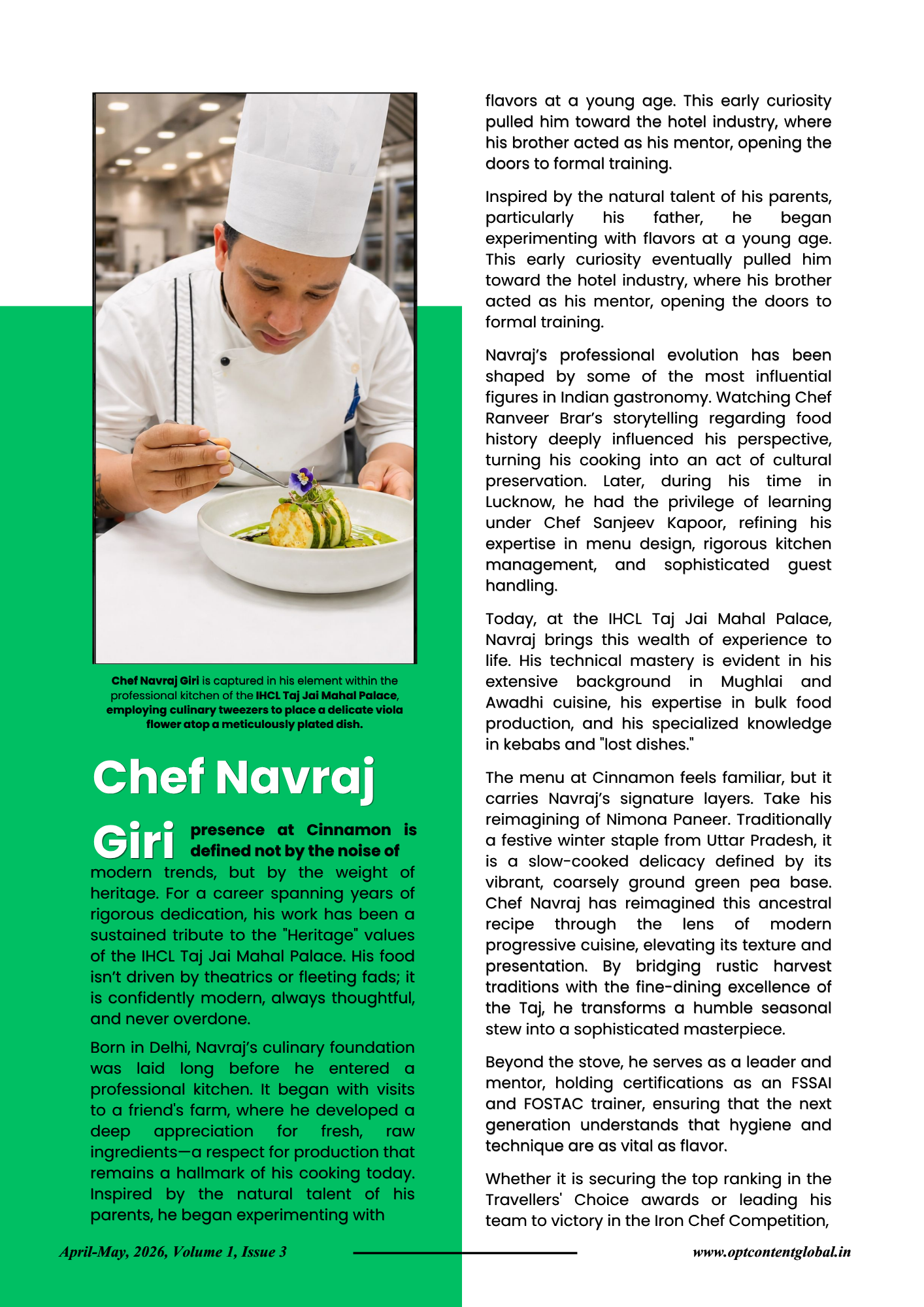
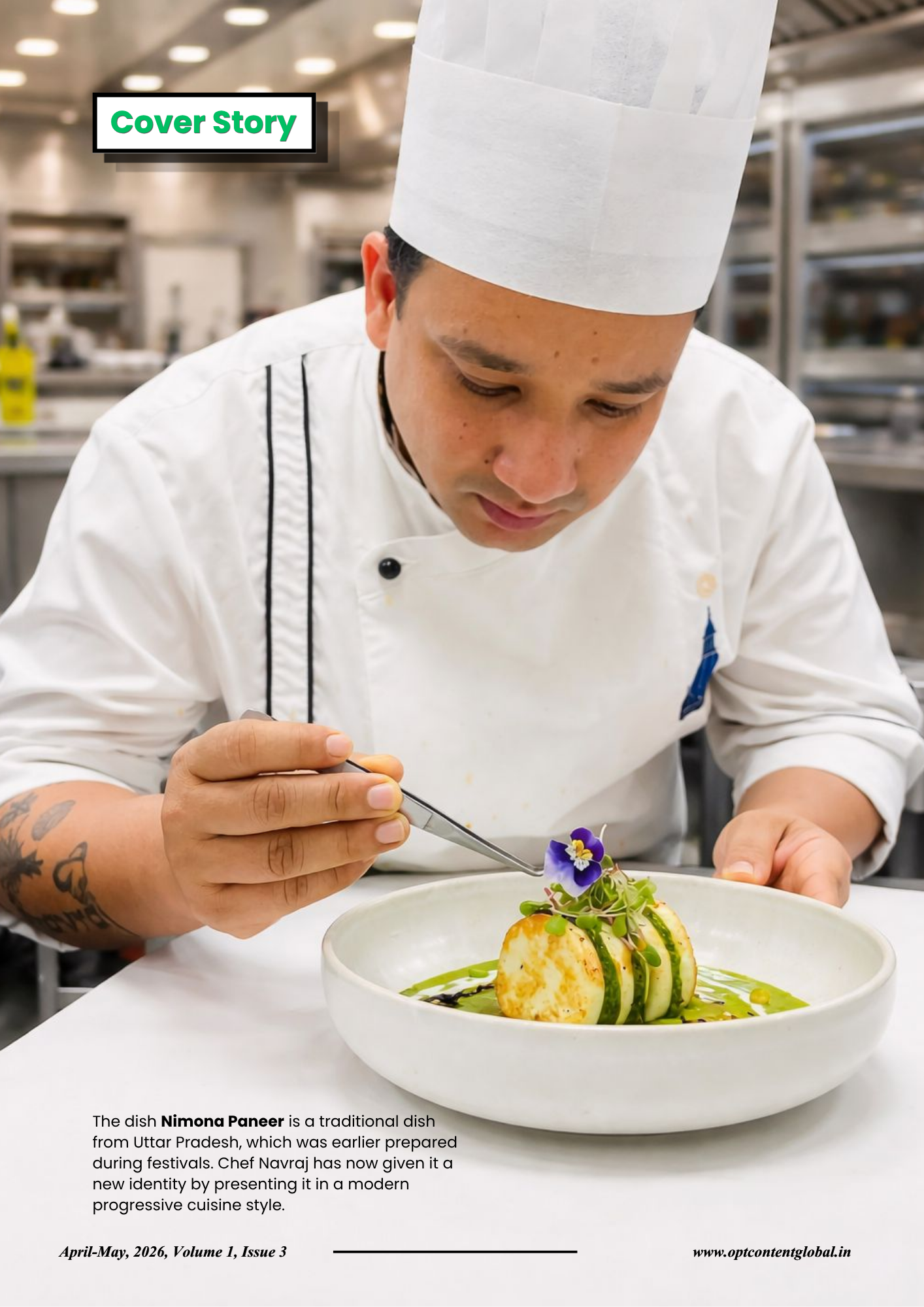
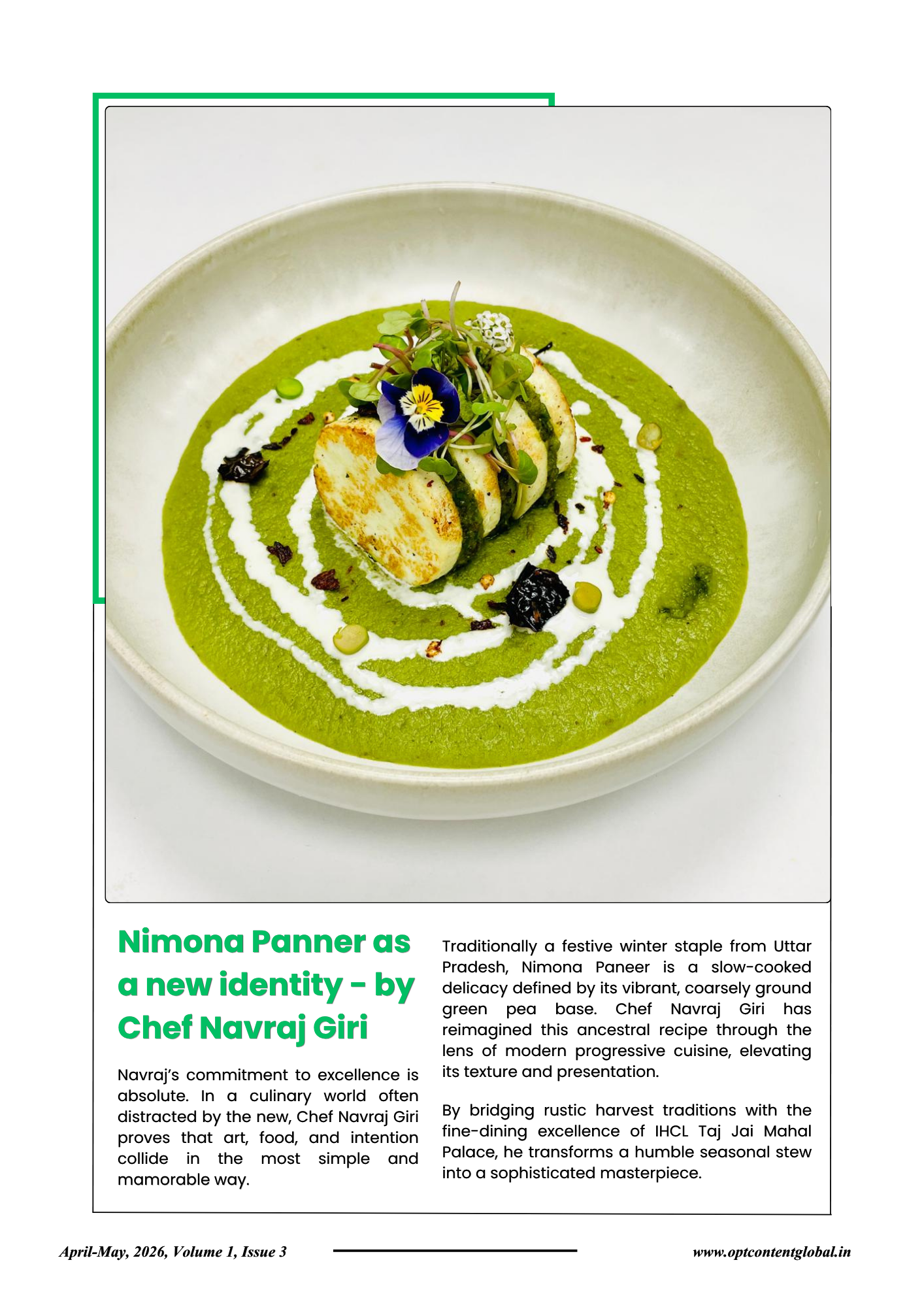
If there is one dish that encapsulates Navraj’s philosophy of “Progressive Tradition,” it is his reimagining of Nimona Paneer. Traditionally, Nimona is a rustic, winter staple from the heartlands of Uttar Pradesh. It is a slow-cooked, vibrant green pea stew that tastes of the harvest. It is comfort food in its purest form, often served in brass bowls on a cold December evening. However, Navraj saw an opportunity to give this ancestral recipe a new identity without losing its soul. In his modern progressive version, the “Signal” is the pea itself. He elevates the texture, moving away from a simple mash to a multi-dimensional presentation.
He utilizes the green pea in various forms—pureed for depth, charred for smokiness, and textured for interest—to play with temperatures and consistencies. The Paneer is no longer just a cube of protein in a gravy; it is a canvas for Nimona’s vibrant green. Bridging the rustic soul of a UP village with the fine-dining excellence of a Taj palace, he transforms a humble seasonal stew into a sophisticated masterpiece. It is a dish that speaks to the “OG India” mission: taking a permanent cultural asset and presenting it with modern authority.
Leadership, Mentorship, and the “Zero Spam” Kitchen
Navraj’s impact extends far beyond the plates that leave his kitchen. He understands that a legacy is only as strong as the people who carry it forward. As a certified FSSAI and FOSTAC trainer, Navraj takes his role as a mentor seriously. In the kitchen, he operates on a “Zero Spam” policy. There is no room for wasted movement, unnecessary chatter, or effort that doesn’t contribute to the excellence of the dish. He teaches the next generation that hygiene is not a chore—it is a foundation.
In his view, technique and flavor are meaningless if they aren’t built upon a bedrock of safety and precision. He mentors with the same “Warm Minimalism” he applies to his cooking. He provides the “hook” (the inspiration), the “insights” (the technical knowledge), and the “bridge” (the path to their own mastery). He ensures that his team understands that being a Taj chef is about more than wearing a uniform; it is about embodying the values of an institution that has defined Indian luxury for over a century.
The Psychology of the Palate
In the grand halls of IHCL Taj Jai Mahal Palace, the culinary experience does not begin when the plate hits the table. For Chef Navraj Giri, the “gastronomic journey” is a psychological one. Navraj has mastered the subtle art of sophisticated guest handling—a skill that separates a great chef from a legendary host.
He understands that a diner at Cinnamon is often looking for more than a meal; they are looking for a connection to the heritage of Rajasthan and India at large. Navraj treats each guest interaction as an opportunity for precision. He doesn’t just present a dish; he contextualizes it. Whether he is explaining the intricate spice blend of a Mughlai gravy or the seasonal significance of the Nimona Paneer, he is providing the “insights” that transform a simple dinner into a lasting memory.
This level of engagement requires a high degree of emotional intelligence. Navraj possesses the rare ability to read the room—knowing when a guest desires a deep dive into the history of a “lost dish” and when they prefer the quiet, minimalist elegance of a perfectly executed service. By bridging this communication gap, he ensures that the “signal” of the kitchen’s hard work is never lost.
Creating Permanent Cultural Assets
One of the most profound aspects of Chef Navraj Giri’s modern career is his understanding of the “Digital Legacy.” In alignment with the OG India Mag philosophy, Chef Navraj Giri recognizes that while a meal is temporary, the story of its creation and the values it represents can—and should—be permanent. His commitment to being a “Signal” in the industry is reflected in how he documents his journey. By participating in high-stakes environments like the Iron Chef Competition and securing certifications, he is building a blueprint for others to follow. He views his recipes and his mentorship sessions as permanent assets.
When he teaches a young chef the exact temperature for a Bhatti, he is passing down a heritage asset that will outlive his own tenure. Furthermore, Chef Navraj Giri’s work serves as a form of “Editorial Validation” for Indian cuisine on the global stage. By refusing to compromise on the integrity of traditional methods while simultaneously embracing progressive presentation, he proves that Indian food does not need to be “westernized” to be world-class; it simply needs to be refined with intention. He is a curator of the “Essential,” stripping away the clutter of fusion to reveal the powerful, singular authority of authentic flavor.
Accolades and the Road Ahead
This commitment to excellence has yielded significant results. Under his supervision and the collective effort of the team at Cinnamon, the accolades have been significant:
- Top 5 Best Fine Dining Restaurants in India (Travellers’ Choice 2022)
- Best Mughlai Premium Dining (2023 & 2024)
- Most Beautiful Fine Dining Restaurant (2023)
- Iron Chef Competition (1st Position: 2018 & 2019)
Recently, Chef Navraj Giri was honored with a Lifetime Membership from the Royal Rajasthan Chefs Society, a testament to his dedication. But for Navraj, the awards are merely reflections of the work, not the goal. The goal is the constant refinement of his art. He is not interested in the quantity of dishes he can produce, but in the quality of the impact each dish leaves behind
The Final Word – Art, Food, and Intention
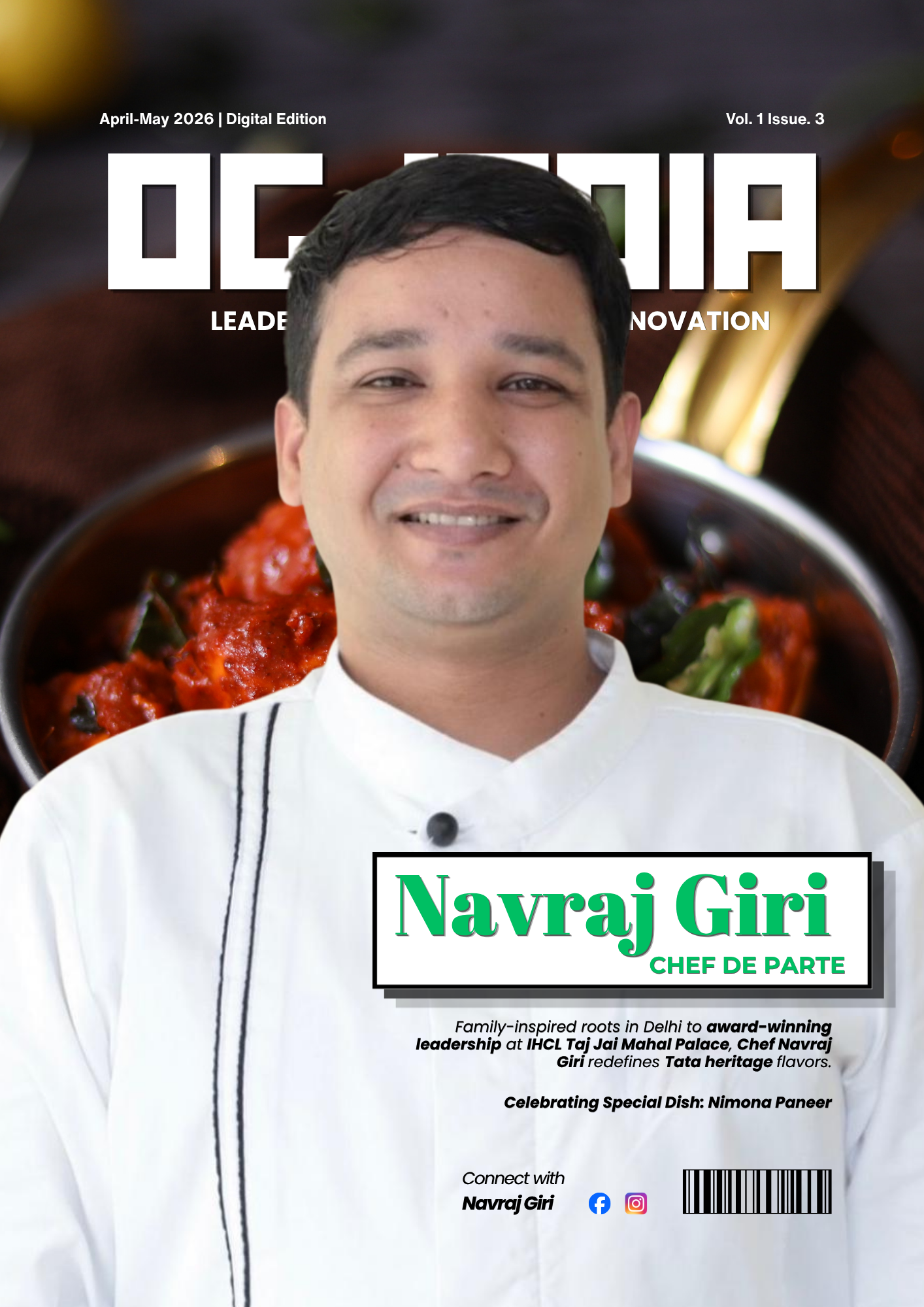
Chef Navraj Giri is a reminder that in the rush to be “new,” we must not forget to be “good.” His journey—from the Delhi farm to the IHCL Taj Jai Mahal Palace—is a blueprint for any professional seeking to turn their career into a permanent asset. As the cover star of OG India Mag Volume 1, Issue 3, Navraj represents the pinnacle of our editorial mission. He chooses signal over noise. He chooses authority over volume. And most importantly, he chooses to preserve the beauty of the past by making it relevant for the future. Navraj Giri isn’t just feeding people; he is ensuring that the spirit of Indian heritage continues to evolve, one perfectly crafted, progressive plate at a time.
Editor’s Note: This feature appears in Volume 1, Issue 3 of OG India Mag. We remain committed to highlighting the individuals who build lasting legacies in their respective fields. Thank you for joining us in celebrating the intersection of heritage and innovation.

One thought on “Chef Navraj Giri Showcasing Radiant Tata Heritage and Innovation by Culinary Art in 2026”